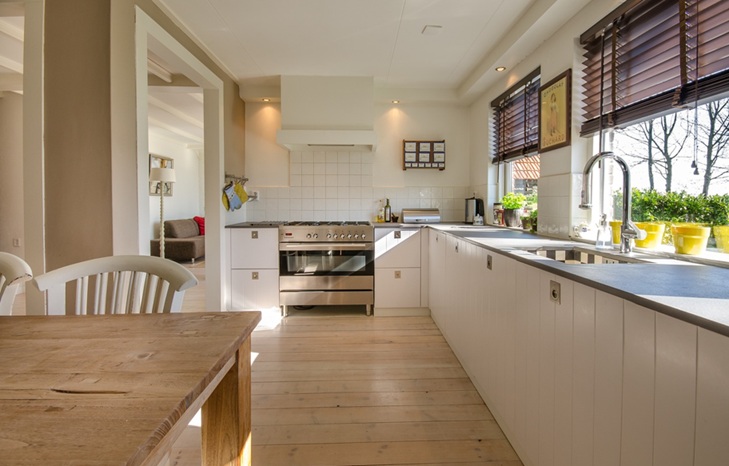
Kitchen remodeling can transform how you cook, entertain, and use daily space. You’ll learn practical choices that improve function, fit your budget, and raise long-term value without chasing trends.
Start by identifying kitchen remodel priorities—layout, storage, and durable surfaces—and build decisions around those goals to keep the project efficient and cost-effective. This article walks through what matters most, from planning essentials to execution and completion, so you can move from idea to a working kitchen with confidence.
Essentials of Kitchen Remodeling
Plan scope, set a realistic budget, and prioritize changes that improve daily use and resale value. Choose layouts and materials that match your cooking habits, storage needs, and maintenance tolerance.
Project Planning and Budgeting
Start by listing must-haves versus nice-to-haves. Include fixed items (cabinets, appliances, plumbing, electrical) and soft costs (permits, design fees, contingency).
Aim for a contingency of 10–20% of hard costs to cover surprises like hidden water damage or asbestos. Get at least three contractor bids and compare line-item estimates, not just totals.
Break the project into phases: demo, rough-in (electrical/plumbing), cabinets/countertops, finishes, and final inspection. Schedule long-lead items—custom cabinets and certain appliances—first. Ask contractors for a payment schedule tied to completed milestones.
Use a budgeting table to track expenses:
- Estimated cost
- Actual cost
- Vendor/contractor
- Paid (Y/N)
Design Trends and Inspirations
Choose trends that support your daily routines rather than fleeting styles. Popular, practical choices include matte quartz countertops for low maintenance, handleless cabinetry for a clean look, and mixed-metal fixtures to add subtle contrast.
Open shelving can display frequently used items but plan hidden storage for small appliances and pantry goods to reduce visual clutter.
Consider energy-efficient appliances (Energy Star), LED task lighting, and touchless faucets for long-term savings. Use a mood board—photos, paint chips, and material samples—to lock down a cohesive palette before ordering finishes. Test cabinet door and countertop samples together to verify color and texture in your actual light.
Layout Optimization
Prioritize work zones: cooking, prep, cleanup, and storage. Keep the cooking triangle efficient—range, sink, and refrigerator should be within comfortable walking distance without obstructing traffic.
If space allows, add a prep sink or an island with storage and seating to separate tasks and improve flow. Place heavy-use items—dishwasher next to sink, microwave at mid-height—where they feel most ergonomic.
Measure clearances: at least 42 inches for single-cook aisles and 48 inches for multiple cooks. Allocate 18–24 inches of countertop on at least one side of the sink and range for prep. Use floor plans and a simple 3D mockup to validate spacing before purchasing cabinetry.
Choosing Materials and Finishes
Match material durability to usage: quartz or granite for countertops in high-traffic kitchens, solid wood or plywood-faced cabinets for longevity, and porcelain or luxury vinyl plank flooring for moisture resistance.
Select finishes that hide wear. Satin or matte cabinet paints show fewer fingerprints than high-gloss. Choose grout and caulk colors that conceal staining in tile backsplashes.
Request warranties and maintenance instructions for each material. Compare trade-offs: engineered stone resists staining but can chip; hardwood floors can be refinished but require more moisture care. Keep sample swatches together and view them under morning and evening light to confirm your final selections.
Execution and Completion
You will finalize contractor choices, secure required permits, and keep the project on schedule to avoid cost overruns and delays. Focus on clear contracts, documented approvals, and daily or weekly progress checks to ensure the work meets specifications.
Selecting Contractors and Professionals
Vet contractors with a consistent process: request at least three bids, check references from recent projects similar in scope, and review full portfolios. Verify licenses and insurance; ask to see the contractor’s general liability and workers’ compensation certificates that list your property address.
Use a written contract that specifies scope, materials (brands and models), payment schedule, change-order procedure, and a clear warranty. Include a start date, major milestones, and a retainage clause (commonly 5–10%) held until final inspection. Confirm who will handle subcontractors (electrical, plumbing, tile) and require lien waivers upon each payment.
Hold a kickoff meeting to review the schedule, on-site access, dust protection, and storage for materials. Exchange emergency contact information and set expectations for daily cleanup and communication frequency.
Permits and Regulations
Identify required permits early: building, electrical, plumbing, mechanical, and any structural or HVAC permits. Contact your local building department or use the municipality’s online portal to list permit types and fee schedules. Unpermitted work can delay resale and require costly remediation.
Submit complete permit applications with plans showing demolitions, new layouts, and system upgrades. Expect plan review times of 1–4 weeks depending on jurisdiction; factor that into your start date. Schedule inspections at required stages—rough-ins, insulation, and final—so contractors can pass each stage before proceeding.
Keep copies of all permits, inspection reports, and approvals on-site. If your project affects shared systems (multi-unit buildings or historic districts), confirm HOA or preservation board approvals first to prevent work stoppages.
Timeline Management
Create a master schedule with key milestones: demolition, rough-in, drywall, cabinetry, countertops, finishes, and final inspection. Assign realistic durations (e.g., demo 2–4 days, rough-ins 3–7 days, cabinets 5–10 days) and pad each task by 10–20% for material lead times or unexpected issues.
Use weekly progress meetings and a shared timeline (spreadsheet or project app) to track completed tasks, upcoming inspections, and pending material deliveries. Flag critical-path items like custom cabinets or stone countertops early; delays in those components often stall finishing work.
Document change orders immediately and update the timeline and budget. If a delay occurs, agree on mitigation steps: temporary workarounds, reprioritizing trades, or expedited shipping, and record any additional costs in writing.




Leave a Reply