When you travel abroad, shop on an international website or send money overseas, you cannot use Indian Rupees directly. You need to convert your money into the currency of the country where you plan to spend or transfer it. This process is known as foreign currency exchange. Many use the term often, yet few understand how exchange rates work or how banks calculate the final amount. A clear understanding helps you plan better and avoid confusion during conversion. This post explains how the system works in simple, practical terms.
What Is Currency Exchange?
Currency exchange means converting one country’s currency into another at a rate determined by the global market and applied by an authorised dealer. When you convert Indian Rupees into US Dollars, Euros or another currency, the bank or exchange provider applies a specific rate on that day. This rate decides how much you receive after conversion. Exchange providers publish exchange rates for different currencies. These rates change frequently because currency values fluctuate throughout the day.
How Are Exchange Rates Decided?
To understand the process clearly, it helps to know how exchange rates move and why they change.
Market Demand and Supply
Global currency markets influence exchange rates through demand and supply. When demand for a currency rises, its value often increases. When demand falls, its value may decrease.
Economic Indicators
Interest rates, inflation, trade balances and economic growth affect currency strength. Political stability and global events also influence movements.
Dealer Margin
Banks and authorised dealers add a margin to the interbank rate. This margin covers operating costs and currency risk. The rate offered to customers reflects this adjustment.
The rate applied at the moment of your transaction determines the final converted amount.
Buying and Selling Currency
Individuals usually approach authorised banks or licensed exchange providers for conversion services. The process remains structured and regulated.
Buying Currency for Travel
Before travelling abroad, you can purchase currency notes or load funds onto a prepaid travel card. The provider converts your currency at the prevailing selling rate.
Selling Unused Currency
After returning, you may sell unspent currency. The provider applies its buying rate on the day of exchange.
International Transfers
When sending money overseas, the provider converts the Rupee amount into the destination currency before processing the transfer.
All transactions comply with regulatory requirements and undergo documentation checks.
What Is a Multi-Currency Forex Card?
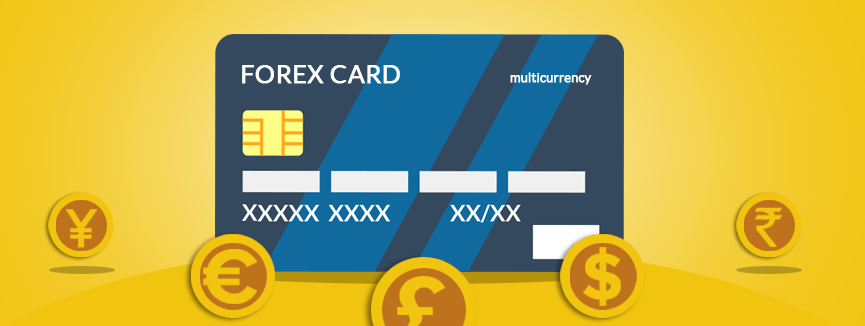
Many travellers prefer a Multi-Currency Forex Card to carrying large amounts of cash. It allows you to load multiple foreign currencies onto a single prepaid card. You can then use it to make purchases from international merchants or to withdraw cash from overseas ATMs.
How Does It Work?
You load Indian Rupees onto the card. The provider converts the amount into selected currencies at prevailing rates, reflected in your card balance.
When you make a purchase in that currency, the system deducts the amount directly from the loaded balance.
Why Travellers Use It
This prepaid card reduces the need for repeated currency conversions when travelling across countries. It also offers convenience by avoiding the need to carry high-value cash.
Most providers allow reloads through digital banking channels or branch services, subject to terms and limits.
Step-by-Step Example of Currency Exchange
To understand the process better, consider a simple example.
- You approach an authorised dealer with ₹1,00,000.
- The dealer checks the exchange rate for the required currency.
- The dealer applies its selling rate, including margin.
- The converted amount is issued as currency notes or loaded onto a prepaid card.
The provider verifies identity documents before completing the transaction.
Digital Access to Exchange Services
Digital banking has simplified currency exchange processes. Many banks, including ICICI Bank, allow customers to check rates, place forex requests and manage prepaid travel cards through online banking platforms.
Customers can:
- Check prevailing exchange rates
- Place requests for currency notes
- Load or reload a Multi-Currency Forex Card
- Monitor balances and transactions
Digital access helps with planning because you can track rate movements before initiating conversion.
Charges and Important Considerations
Before converting money, it helps to understand possible costs and risks.
Exchange Rate Spread
The difference between buying and selling rates represents the dealer’s spread.
Service Charges and Taxes
Depending on the transaction type, service charges and applicable taxes may apply.
Rate Volatility
Exchange rates change throughout the day. Delaying conversion may lead to a different value.
Planning your exchange in advance reduces exposure to the last-minute rate fluctuations.
Regulatory Framework
Currency exchange in India operates under regulations issued by the Reserve Bank of India (RBI). Authorised dealers verify customer identity and the purpose of travel or remittance. These checks ensure compliance with foreign exchange regulations. Providing accurate documents helps avoid delays.
When Should You Convert Currency?
If you monitor trends and convert when the Rupee shows relative strength, you may receive a higher foreign currency amount. However, predicting currency movements remains uncertain. Some travellers spread their conversion across multiple days to manage risk instead of converting the full amount at once.
Common Questions
Many customers raise similar queries before converting money.
Does the Rate Stay Fixed After Loading a Card?
Once funds are loaded onto the card, the conversion reflects the rate applied at that moment.
Can I Use the Card in Different Countries?
If the card supports multiple currencies, you can use the balance for each currency.
What If I Spend in Another Currency?
The system may automatically convert the transaction using available balances at applicable cross-currency rates.
Conclusion
Currency exchange supports international travel, education, global shopping and overseas transfers. Although the process may appear technical, it follows a structured system. Exchange rates reflect global market forces, and providers apply their own margins before offering rates to customers. Tools such as a Multi-Currency Forex Card simplify spending abroad and reduce the need to handle large amounts of cash. When individuals understand how rates move, review charges in advance and plan conversions carefully, they can manage international payments with greater clarity and confidence.




Leave a Reply