Learning how to harvest cannabis properly is one of the most important steps in the entire cultivation journey. Growers may spend months caring for their plants, adjusting light cycles, monitoring nutrients, and protecting the crop from pests, but the final stage—when it is time to harvest cannabis—ultimately determines the quality of the finished buds. If the harvest happens too early, the potency and flavor may not fully develop. If it happens too late, the buds may lose their ideal cannabinoid balance.
For this reason, experienced cultivators understand that the moment you harvest cannabis requires patience, careful observation, and proper technique. The timing, cutting method, drying process, and curing stage all work together to preserve cannabinoids and aromatic compounds known as terpenes. When these steps are done correctly, the result is high‑quality cannabis with better flavor, stronger effects, and a smoother overall experience.
Whether someone grows a few plants at home or manages a larger cultivation setup, understanding the proper way to harvest cannabis can make a significant difference. From identifying the right harvest window to storing the final product, every detail contributes to the final outcome.
When to Harvest Cannabis for the Best Quality
Determining the right time to harvest cannabis is a skill that growers develop through observation and experience. While many beginners rely on estimated flowering times, experienced cultivators focus on the physical signs the plant provides.
One of the most reliable indicators comes from examining trichomes. These tiny resin glands cover the buds and contain most of the cannabinoids and terpenes responsible for the plant’s potency and aroma. When trichomes appear clear, the plant is still immature. As they become cloudy or milky, cannabinoid production reaches its peak. When some trichomes start turning amber, it usually signals the ideal moment to harvest cannabis for balanced effects.
Another sign growers observe is the pistils, the small hair-like structures on the buds. Early in the flowering stage, pistils are bright white. As the plant matures, they gradually darken and curl inward. When a large portion of pistils have changed color, the plant is approaching its optimal harvest period.
Environmental conditions and plant genetics can also influence harvest timing. Some strains mature faster than others, while temperature and lighting conditions may slightly alter the development rate. Because of these variables, the best approach is always to examine the plant closely before deciding to harvest cannabis.
How to Harvest Cannabis Step by Step
Once the plant reaches the correct maturity stage, the process to harvest cannabis begins. Proper harvesting methods help protect delicate trichomes and preserve the structure of the buds.
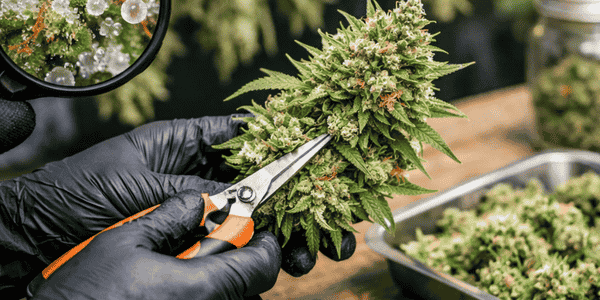
Growers typically begin by cutting the main branches from the plant using sharp pruning shears. Some prefer to remove the entire plant at once, while others cut branches individually. Either method can work well as long as the buds are handled gently.
After cutting the plant, trimming usually begins. This involves removing large fan leaves that do not contain significant amounts of resin. Some growers perform a wet trim immediately after they harvest cannabis, while others prefer a dry trim after the buds have dried. Each method has its advantages, depending on environmental conditions and personal preference.
During this stage, careful handling is extremely important. Rough handling can damage trichomes, which reduces the quality of the final product. By maintaining a clean workspace and using proper tools, growers can ensure the buds remain intact and visually appealing.
Tools Needed to Harvest Cannabis Properly
Having the right tools makes it easier and more efficient to harvest cannabis without damaging the plant material. While the process itself is straightforward, the right equipment improves both speed and quality.
Sharp trimming scissors or pruning shears are essential for making clean cuts. Dull tools can crush stems instead of cutting them, which may harm nearby buds. Gloves are also commonly used to prevent resin from sticking to hands and to maintain cleanliness during the process.
Many growers also prepare drying racks or hanging lines before they harvest cannabis. This allows the plant material to be transferred directly into the drying environment without unnecessary delays. A clean table or trimming station also helps organize the process and reduces contamination risks.
Common Mistakes When You Harvest Cannabis
Even experienced growers can make mistakes when they harvest cannabis, and these errors can affect both potency and flavor. One of the most common issues is harvesting too early. When buds are removed before reaching full maturity, cannabinoids may not have developed fully, resulting in weaker effects.
Another mistake is waiting too long to harvest cannabis. Overripe buds may develop too many amber trichomes, which can shift the effects toward a heavier, more sedative experience. While some users prefer this effect, many growers aim for a balanced cannabinoid profile.
Improper handling during harvesting is another frequent issue. Excessive squeezing, rough trimming, or dropping buds can damage trichomes. Since these resin glands hold most of the plant’s active compounds, preserving them is essential for maintaining quality.
Finally, poor sanitation during the harvest process can lead to contamination. Dust, moisture, or mold spores can compromise the final product. Maintaining a clean environment when growers harvest cannabis helps protect the crop during this critical stage.
Best Way to Dry Cannabis After You Harvest Cannabis
After growers harvest cannabis, drying becomes the next critical step. Drying removes moisture from the buds while preserving cannabinoids and aromatic compounds. If drying happens too quickly, the buds may lose flavor and become harsh when consumed. If it happens too slowly, mold may develop.
The most common method is to hang trimmed branches upside down in a dark room with controlled airflow. Temperatures around moderate room levels and balanced humidity help create an ideal drying environment. Darkness is also important because excessive light can degrade cannabinoids over time.
During the drying stage, airflow should remain gentle rather than direct. Fans can circulate air in the room, but they should not blow directly on the buds. Over several days, the buds gradually lose moisture while maintaining their natural structure.
Growers often check the stems to determine when drying is complete. When smaller stems snap instead of bending, it usually indicates that the buds are ready for the curing stage.
Why Proper Curing Matters After You Harvest Cannabis
Curing is the final stage after growers harvest cannabis, and it plays a major role in enhancing flavor, aroma, and smoothness. While drying removes most of the moisture, curing allows the remaining moisture inside the buds to distribute evenly.
During curing, buds are typically stored in airtight containers such as glass jars. These containers are opened periodically to release built‑up moisture and allow fresh air to circulate. This process helps stabilize cannabinoids while preserving delicate terpenes.
Over time, properly cured cannabis develops a richer aroma and smoother texture. Many experienced growers believe curing can significantly improve the overall quality of the final product. Instead of harsh smoke or muted flavor, well‑cured buds offer a more refined and enjoyable experience.
Patience is essential during this stage. While cannabis can technically be used shortly after drying, allowing additional curing time can greatly enhance the final results.
Conclusion
To harvest cannabis successfully, growers must combine observation, patience, and proper technique. From recognizing the right harvest window to carefully trimming and drying the buds, each step directly influences the final quality. The effort invested during the harvesting stage ultimately determines how potent, flavorful, and enjoyable the finished product will be.
Understanding how to harvest cannabis properly allows growers to protect the valuable compounds within the plant while producing visually appealing, high‑quality buds. With the right timing and careful post‑harvest handling, months of cultivation can be transformed into a rewarding final result.


Leave a Reply